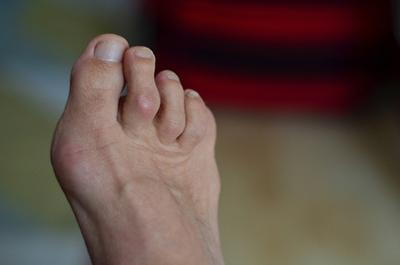
When something feels off with your toes — maybe a bend, stiffness, or a callus that won’t go away — it’s easy to assume it’s a simple irritation. But sometimes, that small change is a sign of a deeper problem with the toe’s structure. Two common conditions that often get confused are hammertoe and mallet toe.
At Emerald Coast Podiatry, with offices in Fort Walton Beach and Crestview, FL, Dr. Cosimo A. Ricciardi treats both conditions regularly. While they may sound similar, understanding the difference between the two can help you seek the right treatment early — before the discomfort starts to affect your daily life.
What Is a Hammertoe?
A hammertoe happens when the middle joint of a toe bends downward, giving it a curled or “hammer-like” appearance. It usually affects the second, third, or fourth toe. The condition can start as flexible — meaning you can still move the joint — but over time, it may become rigid and more difficult to straighten.
Hammertoes often develop from:
- Wearing shoes that are too tight or narrow at the toe box
- Imbalance in the muscles and tendons that control toe movement
- Conditions like arthritis or a previous toe injury
- Genetic foot structure, such as a high arch or flat foot
You might notice corns forming on top of the affected toe, soreness when wearing shoes, or pain while walking.
What Is a Mallet Toe?
A mallet toe affects a different joint — the one closest to the tip of your toe. Instead of the middle joint bending, it’s the distal joint (at the end of the toe) that points downward. This creates a bump on the tip of the toe and can cause pressure against the shoe.
Mallet toes are more likely to develop in the second toe, especially if it’s longer than the big toe. Like hammertoes, they often result from tight shoes or imbalanced muscle tension. Over time, the constant friction can lead to painful calluses or even small ulcers in more severe cases.
How to Tell the Difference
While both conditions cause an abnormal bend, the main distinction lies in which joint is affected:
- Hammertoe: Middle joint bends downward
- Mallet toe: End joint (near the toenail) bends downward
The symptoms may overlap, but a podiatrist can pinpoint the exact cause through a physical exam and, in some cases, X-rays. Understanding which condition you have helps determine the most effective treatment — since the correction techniques can differ slightly.
Treatment and Prevention
In the early stages, both hammertoes and mallet toes can often be managed without surgery. Treatment may include:
- Switching to roomier, supportive footwear with a wide toe box
- Using toe pads or orthotic inserts to relieve pressure
- Performing toe-stretching exercises to improve flexibility
- Applying anti-friction padding or treating corns and calluses safely
If the condition becomes rigid or painful despite conservative care, Dr. Ricciardi may recommend minimally invasive correction to restore the natural alignment of the toe. The goal is always to relieve discomfort, improve function, and prevent future deformity.
When to See a Podiatrist
If you notice persistent toe pain, visible bending, or difficulty finding comfortable shoes, it’s time to see a specialist. Early evaluation helps prevent joint stiffness and reduces the need for surgical correction later on.
At Emerald Coast Podiatry, Dr. Cosimo A. Ricciardi provides individualized care to help patients in Fort Walton Beach, Crestview, and Niceville, FL stay active and pain-free.
Schedule an Appointment
Don’t wait for foot discomfort to limit your mobility. Whether it’s a hammertoe, mallet toe, or another concern, professional care can make a lasting difference.
Call (850) 862-4119 to schedule a visit at Emerald Coast Podiatry with Dr. Cosimo A. Ricciardi — serving Fort Walton Beach and Crestview, Florida.