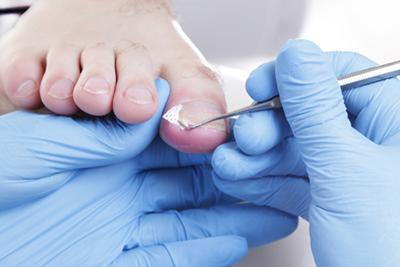
For people living with diabetes, even a small foot problem can become a serious concern. Ingrown toenails, which occur when the edge of a nail grows into the surrounding skin, can easily become infected and lead to complications if not treated promptly. At Emerald Coast Podiatry, with offices in Fort Walton Beach, Crestview, and Niceville, FL, Dr. Cosimo Ricciardi and Dr. Neil Patel provide expert diabetic foot care, helping patients manage conditions like ingrown toenails safely and effectively.
Why Ingrown Toenails Are Riskier with Diabetes
Diabetes affects both circulation and nerve function, especially in the feet. As blood flow decreases, the body’s ability to heal slows down as well. Even small wounds, like an ingrown toenail, can become infected or worsen with little or no pain. Nerve damage may also make it difficult to notice an injury until it becomes serious. Regular care from a podiatrist or foot specialist is essential for anyone managing diabetes.
Identifying Early Symptoms of an Infection
For individuals with diabetes, it’s important to regularly check the skin around the toenails for redness, swelling, or any discharge. These signs can indicate the early stages of an infection. The affected area may also feel sore or appear inflamed. If this occurs, avoid cutting the nail at home and contact a podiatrist as soon as possible. Prompt treatment helps prevent complications such as ulcers, abscesses, or further tissue damage.
How a Podiatrist Can Help
At Emerald Coast Podiatry, patients with diabetes receive specialized care designed to treat ingrown toenails safely. Treatment includes precise trimming of the nail, removal of the portion that has grown into the skin, and management of any infection that may have developed. For patients who experience frequent ingrown toenails, a minor in-office procedure may be recommended to prevent recurrence. Routine diabetic foot exams also help podiatrists detect issues early and protect overall foot health.
Protecting Your Feet at Home
Prevention begins with proper foot hygiene and nail care. Keep feet clean and dry, trim toenails straight across, and wear shoes that fit comfortably with adequate toe space. Inspect your feet daily for any cuts, blisters, or changes in color. Never attempt to remove an ingrown toenail yourself, as this can cause injury or infection, especially when circulation is reduced.
If you have diabetes and notice any signs of an ingrown toenail or infection, contact Emerald Coast Podiatry in Fort Walton Beach, Crestview, or Niceville, FL. Call the Fort Walton Beach office at (850) 862-4119, the Crestview office at (850) 682-6522, or the Niceville office at (850) 678-2253 to schedule an appointment and receive expert diabetic foot care.